Photo: Jaller94, CC0, via Wikimedia Commons
Disclaimer: TowCars.com is a nationwide towing information and referral service. We don’t tow, dispatch, or store vehicles, and we aren’t responsible for the work, prices, or conduct of any towing company. If you send us a request, we pass it to independent providers who set their own prices and terms. See our disclosure.
After a crash, it is hard to think clearly. Towing is often one of the first decisions you face, and making it in a hurry can lead to surprise fees. Here is a step-by-step approach. If anyone is hurt, call 911 first; safety comes before the car.
Step 1: Make the scene safe
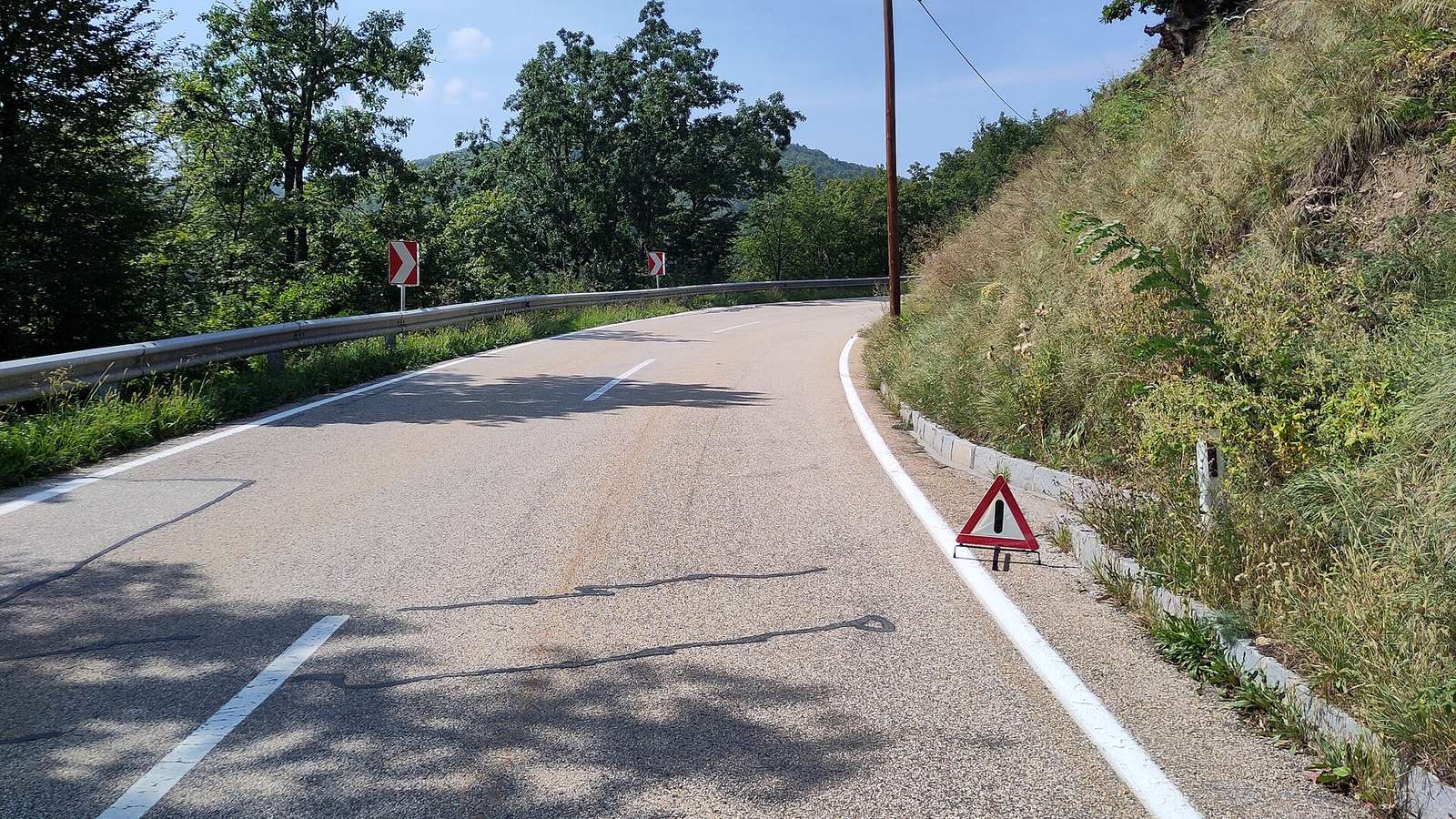
Check for injuries. Turn on hazard lights. If the cars can be moved and local rules allow it, move them out of travel lanes. If a car can’t be moved, get everyone to a safe spot away from traffic. Our after-accident checklist covers what to do at the scene in more detail.
Step 2: Call police if needed
Rules on when a crash must be reported differ by state. When police respond, they may order a tow for a car blocking traffic, often from a rotation list. That is different from a tow you choose. Ask the officer where the car is being taken and how to reach the company.
Step 3: Be careful with trucks that show up uninvited
Some tow trucks arrive at crash scenes without being called. You generally don’t have to use them unless police direct the tow. Ask who sent them, get the company name and price in writing, and decline if you aren’t comfortable. Our guide on avoiding towing scams lists warning signs.
Step 4: Call your insurer before choosing a destination
If you can, call your insurance company or use its app before the tow. Many policies include towing or have preferred repair shops, and your insurer may tell you where the car should go to avoid extra moves or storage. Ask whether it will pay the tow directly or reimburse you.
Step 5: Choose where the car goes
- A repair shop you trust: avoids a second tow later.
- Your home: if the car is safe to store there and you need time to decide.
- An insurer-approved facility: may speed up the claim.
- Avoid unnecessary storage: a car left at a tow yard often collects daily fees.
If the damage is heavy, our repair or junk calculator can help you think through whether repair makes sense before you pay to move the car twice.
Step 6: Ask for a clear quote
Ask for the total price including hook-up, mileage, winching or cleanup, and any after-hours charge. Damaged cars may need a flatbed; see flatbed towing. Ask how you can pay; our credit card guide explains what to expect.
Step 7: Document everything
- Photos of all vehicles, the scene and your car before it is loaded.
- The tow driver’s name, company, truck number and destination.
- An itemized receipt.
- The police report number, if there is one.
Step 8: Follow up quickly
If your car went to a storage yard, contact the yard and your insurer quickly to move it, since storage is usually charged by the day. Our impound release cost estimator helps total the charges, and the tow bill checker helps you review them.
Get a free tow quote after an accident
If police aren’t directing the tow, TowCars can pass your request to independent providers near you so you can compare. We are a referral service, not a tow company, and we take no part in the tow itself.
Frequently asked questions
Generally not, unless police direct the tow. Ask who sent the truck and get the price in writing first.
Often to a repair shop or insurer-approved facility, or home if it is safe. Ask your insurer first to avoid a second tow.
Many policies include towing coverage. Call your insurer to confirm what yours covers.
No. TowCars is a free referral service connecting drivers with independent providers.