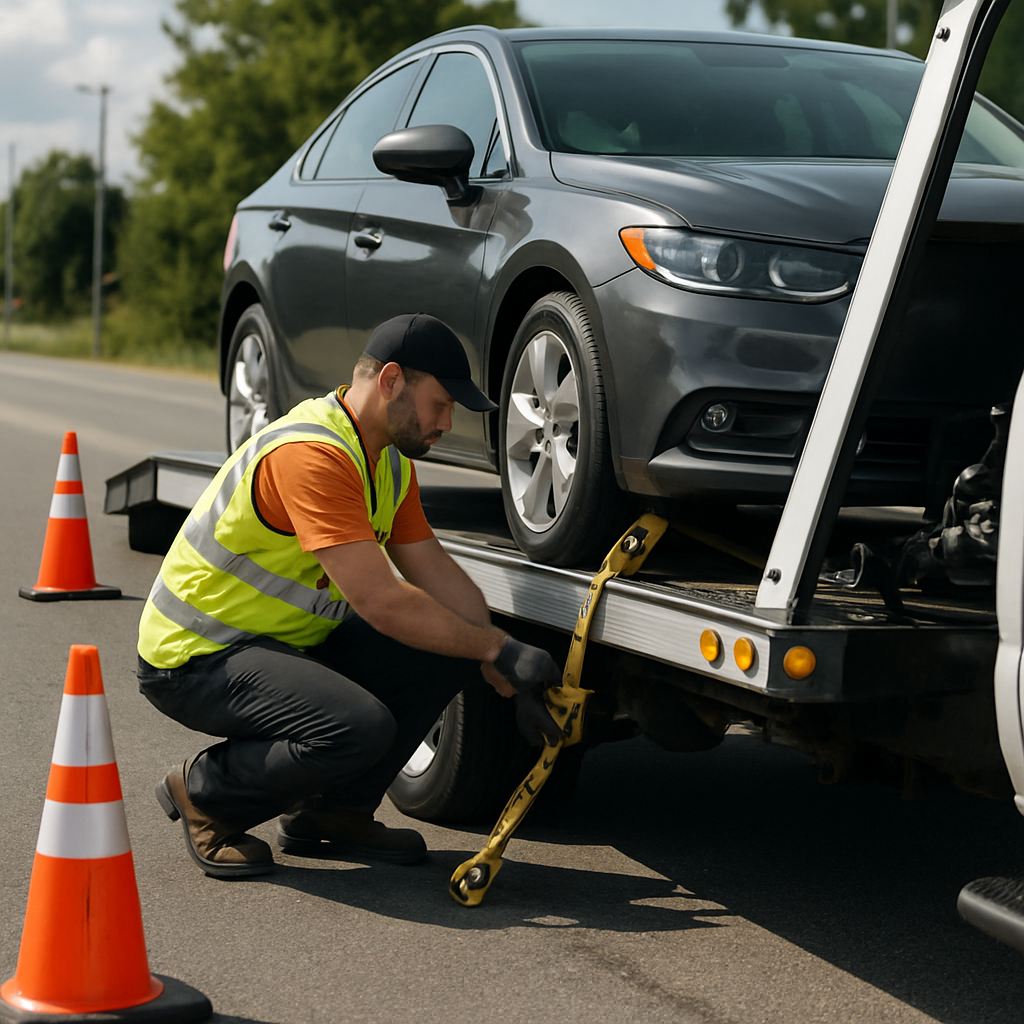
Towing a car may look simple, but doing it the wrong way can cause expensive damage in minutes. From transmission problems to brake issues and even tire wear, a bad tow can turn a minor roadside problem into a major repair. Whether you are using a tow strap, a dolly, or a flatbed, the goal is the same: move the vehicle safely, control the load, and protect every part of the car during transport.
Thank you for reading this post, don't forget to subscribe!Before you hook anything up, it helps to understand that different vehicles need different towing methods. A front-wheel-drive sedan, an all-wheel-drive SUV, and an electric vehicle each have their own rules. The safest towing plan depends on the car’s drivetrain, weight, and condition. If you are unsure, check the owner’s manual or call a professional tow service.
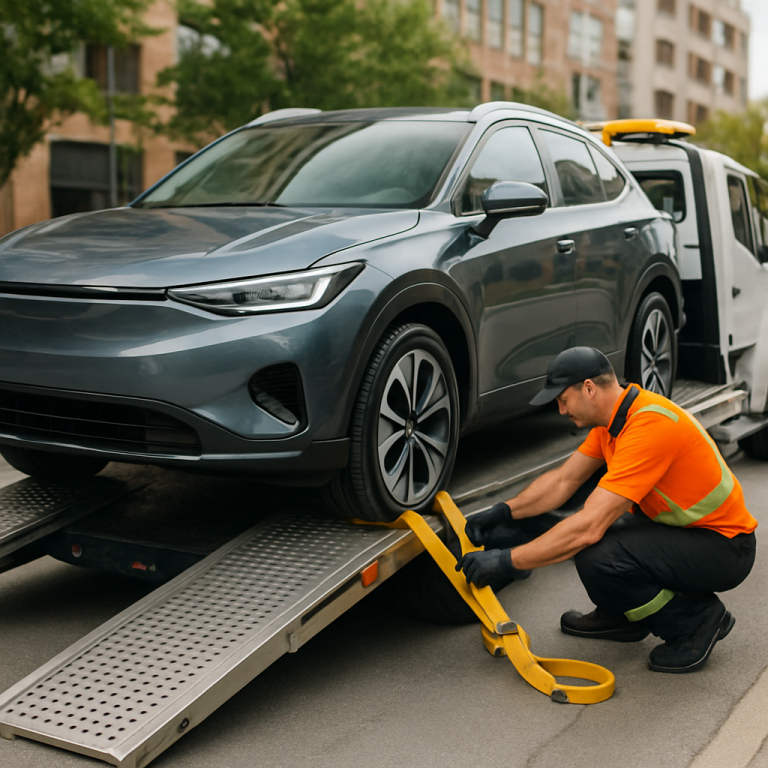
[Insert Image – towing setup]
Step 1: Choose the Right Towing Method
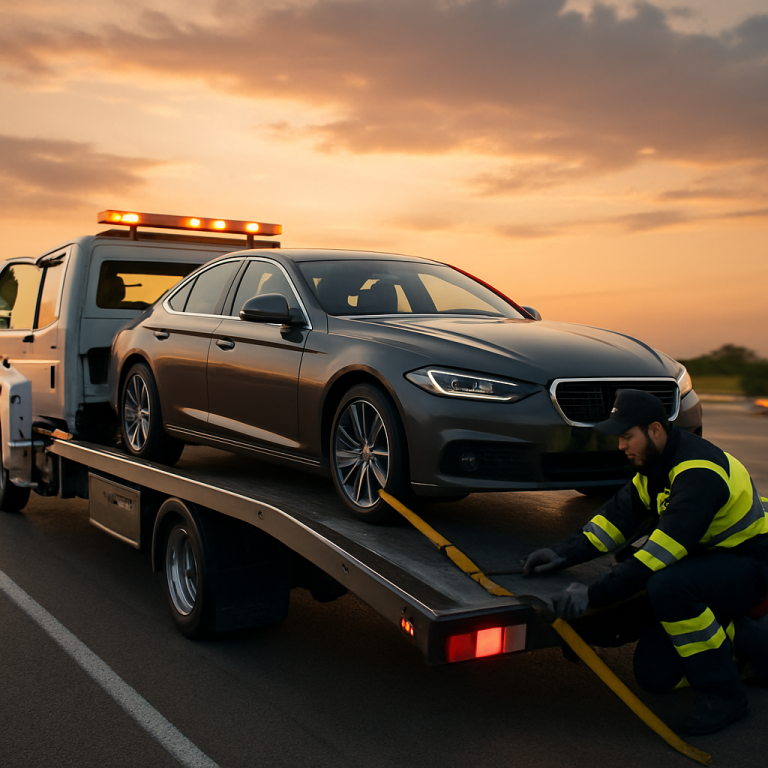
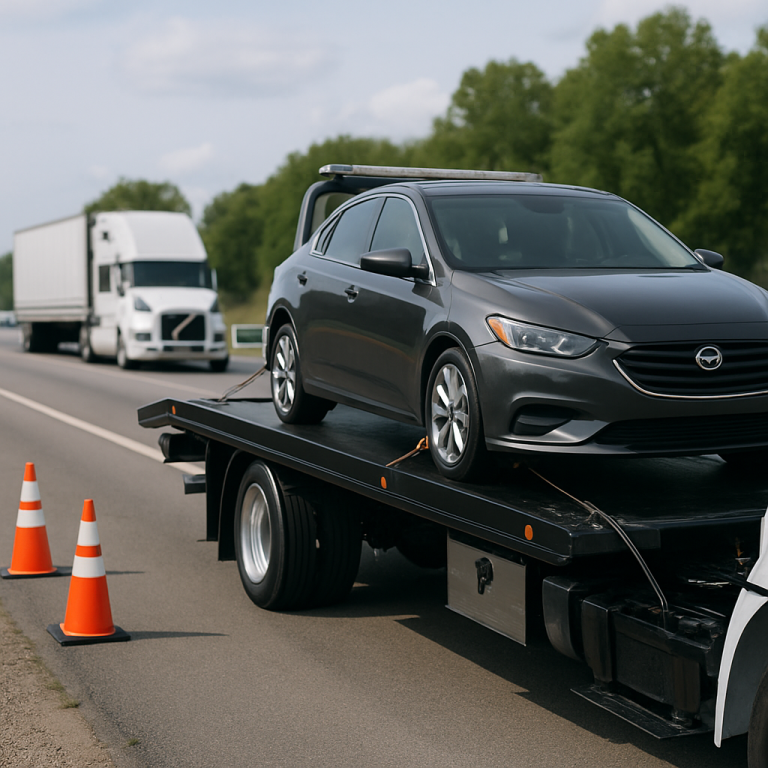
The first step is selecting the correct setup. The three most common options are flatbed towing, tow dolly use, and a traditional tow with a bar or strap. A flatbed is usually the safest because all four wheels are off the ground. That reduces wear and avoids transmission strain. A tow dolly lifts only the front wheels, which can work for some front-wheel-drive vehicles. A strap or bar is usually reserved for short moves and should be handled with extreme care.
Why the Method Matters
If the car is towed with the drive wheels on the ground when they should not be, the transmission may spin without lubrication. That can lead to overheating, internal wear, or full transmission failure. In all-wheel-drive and four-wheel-drive vehicles, improper towing can also damage the transfer case and differentials.
Step 2: Check the Vehicle Before Towing
Before moving the car, inspect it carefully. Make sure the steering is unlocked if the vehicle will roll with wheels on the ground. Confirm the parking brake is off, the tires are inflated, and the car is in the proper towing mode if it has one. For broken-down vehicles, remove any loose items inside that could shift during transport.
A quick pre-tow checklist can prevent mistakes:
- Verify towing weight and method in the owner’s manual
- Inspect straps, chains, hooks, and safety pins
- Check tire condition and inflation
- Release the parking brake
- Place the transmission in the recommended position
- Secure mirrors, loose trim, and external accessories
- Test lights and signals on the tow vehicle
Step 3: Secure the Car Correctly
Once the vehicle is positioned, attach the car evenly and tightly. Use proper-rated straps or chains and connect them to approved anchor points. Never attach a strap to a bumper, suspension arm, or fragile body panel. Tighten the straps so the car cannot shift side to side or move forward and backward.
If using a tow dolly, confirm that the front tires are centered and fully seated. If using a flatbed, secure the wheels with wheel straps or tie-downs at all four corners. After the first few miles, stop and recheck the tension because straps can loosen as the vehicle settles.
[Insert Image – car on dolly]
Step 4: Drive Slowly and Smoothly
Towing should always be done at reduced speed with gentle steering and braking. Sudden turns, hard stops, and rapid acceleration can stress the connection and cause the towed vehicle to sway. Keep a longer following distance than usual and allow extra time for braking.
Common Towing Mistakes
Many towing problems come from simple errors that are easy to avoid. Some of the most common mistakes include:
- Using the wrong towing method for the drivetrain
- Failing to secure the vehicle tightly enough
- Ignoring the weight limit of the tow vehicle
- Towing with damaged tires or weak straps
- Forgetting to unlock the steering wheel
- Driving too fast for the road conditions
- Not checking towing laws in the area
What Happens If Towing Is Done Wrong
Incorrect towing can cause visible and hidden damage. Tires may scrub against the road, wheels can overheat, and the drivetrain may be forced to rotate without lubrication. In some vehicles, towing the wrong way can destroy the transmission seals or overheat internal components. Electric vehicles can also be damaged if the motor turns when it should not. Even if the car looks fine afterward, the damage may show up later as vibration, warning lights, fluid leaks, or shifting problems.
Electric Car Towing Rules
Electric vehicles need special attention because they do not behave like traditional gas-powered cars. Many EVs must not be towed with drive wheels on the ground, even for a short distance. Some models have a dedicated tow mode, while others require a flatbed only. Towing an EV incorrectly can damage the motor, regenerative braking system, or high-voltage components.
Important EV Towing Tips
- Check the exact towing procedure in the owner’s manual
- Use a flatbed whenever possible
- Never guess about tow mode or neutral settings
- Avoid pulling an EV with dead 12V systems unless the manual allows it
- Contact roadside assistance if the vehicle will not enter tow mode
Step 5: Handle Emergency Situations Carefully
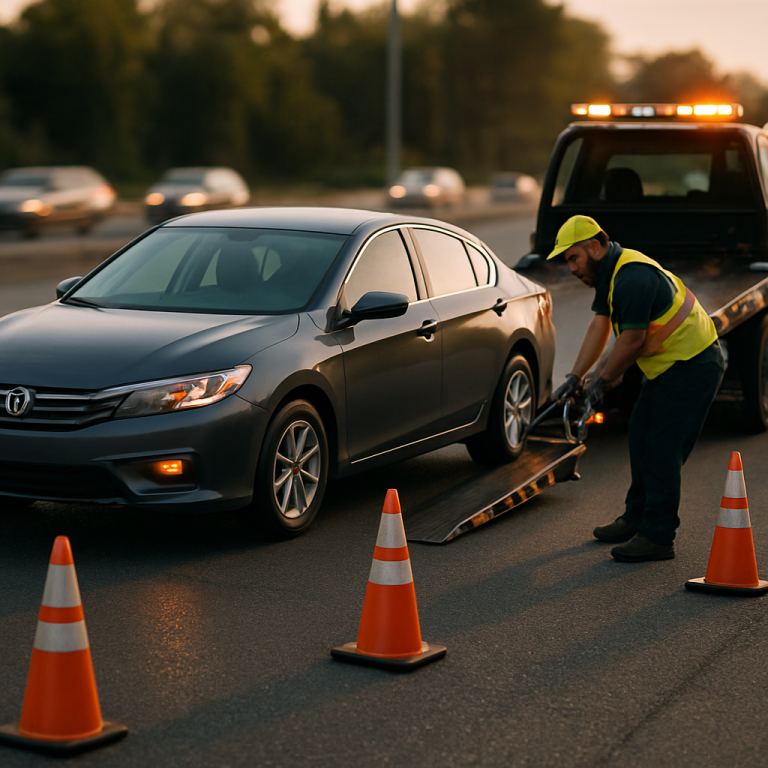
Emergency towing often happens on busy roads, in bad weather, or after a breakdown in an unsafe location. In these situations, prioritize visibility and personal safety first. Turn on hazard lights, wear reflective clothing if available, and set warning triangles or cones if the area allows it. Stay away from traffic while attaching straps or cables.
[Insert Image – roadside towing]
If the car is in a ditch, on a slope, or involved in a minor collision, do not force a tow without assessing the risk. A damaged frame, broken wheel, or leaking fluid can make towing more dangerous. In those cases, a professional recovery truck may be the safest option.
Checklist Before Towing
Use this final checklist before pulling away:
- Car type and drivetrain confirmed
- Correct tow equipment selected
- All connections secure
- Parking brake released
- Steering properly set
- Lights and signals working
- Road route planned for safe travel
- Driver aware of towing speed and braking distance
FAQ
Can I tow a car with a strap?
Yes, but only in limited situations and usually for short-distance recovery. A strap should never replace the proper towing method for long transport.
Is flatbed towing always safer?
In most cases, yes. A flatbed keeps the wheels off the road and greatly reduces the chance of drivetrain or tire damage.
Can I tow an automatic transmission car in neutral?
Sometimes, but not always. Some automatics can be damaged even in neutral if towed for too long or at the wrong speed. Always follow the owner’s manual.
How do I know if my electric car can be towed?
Check the manual for towing instructions, tow mode steps, and distance limits. If the instructions are unclear, use a flatbed and contact the manufacturer or roadside service.
Safe towing is less about strength and more about preparation, patience, and the right equipment. When you match the towing method to the vehicle, secure every connection, and drive with care, you protect the car from damage and make the whole process far less stressful.
About the Author