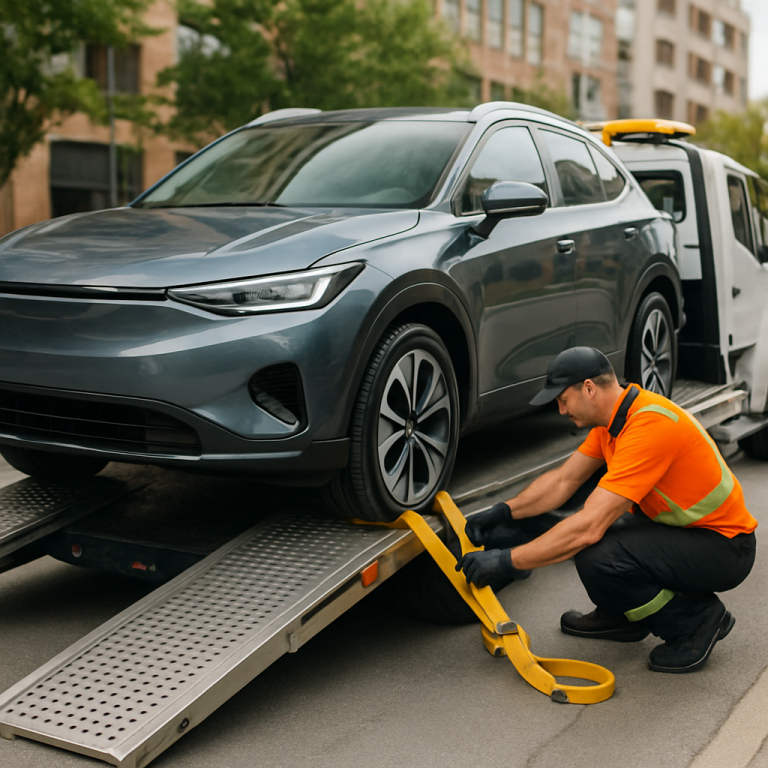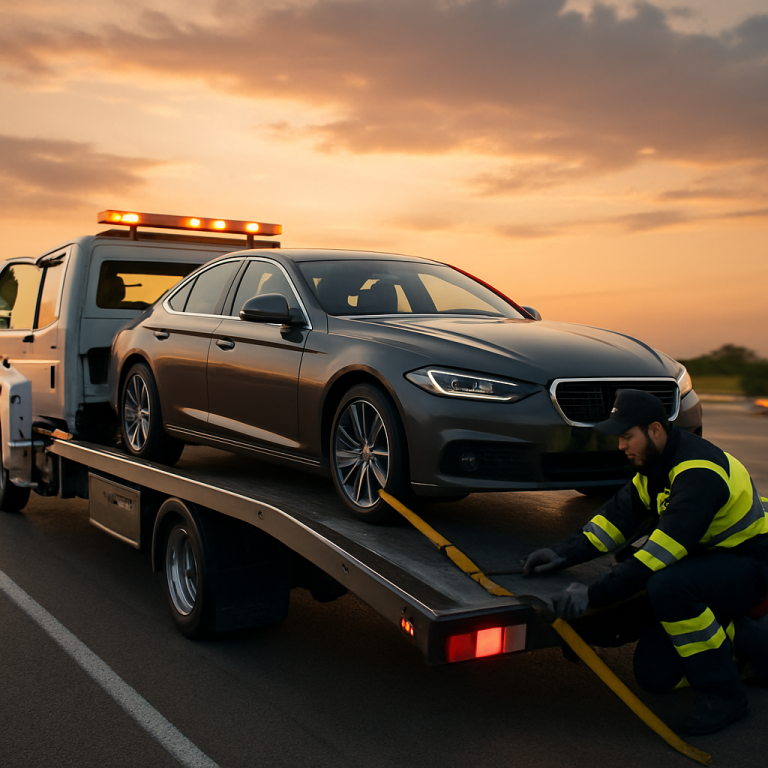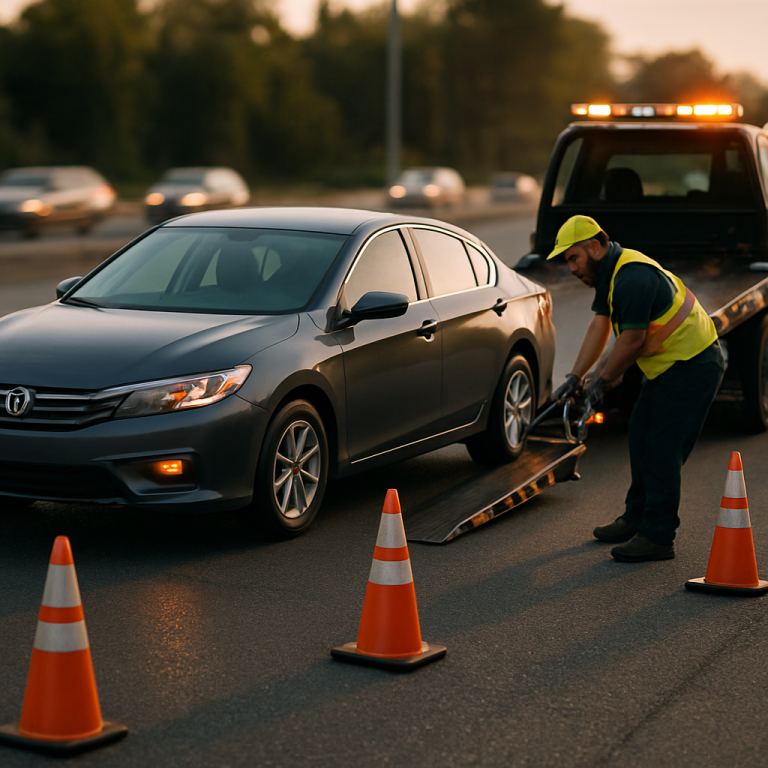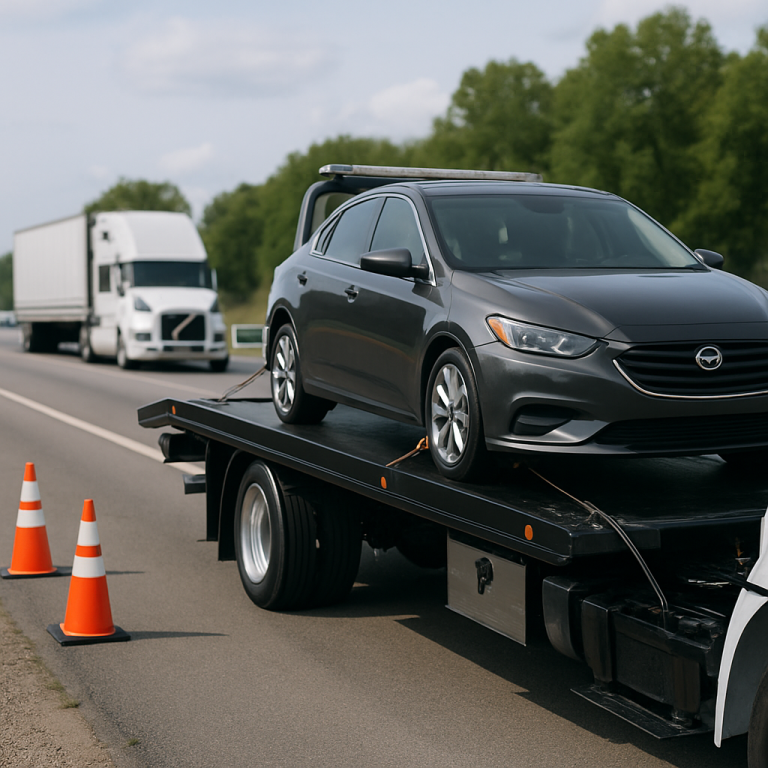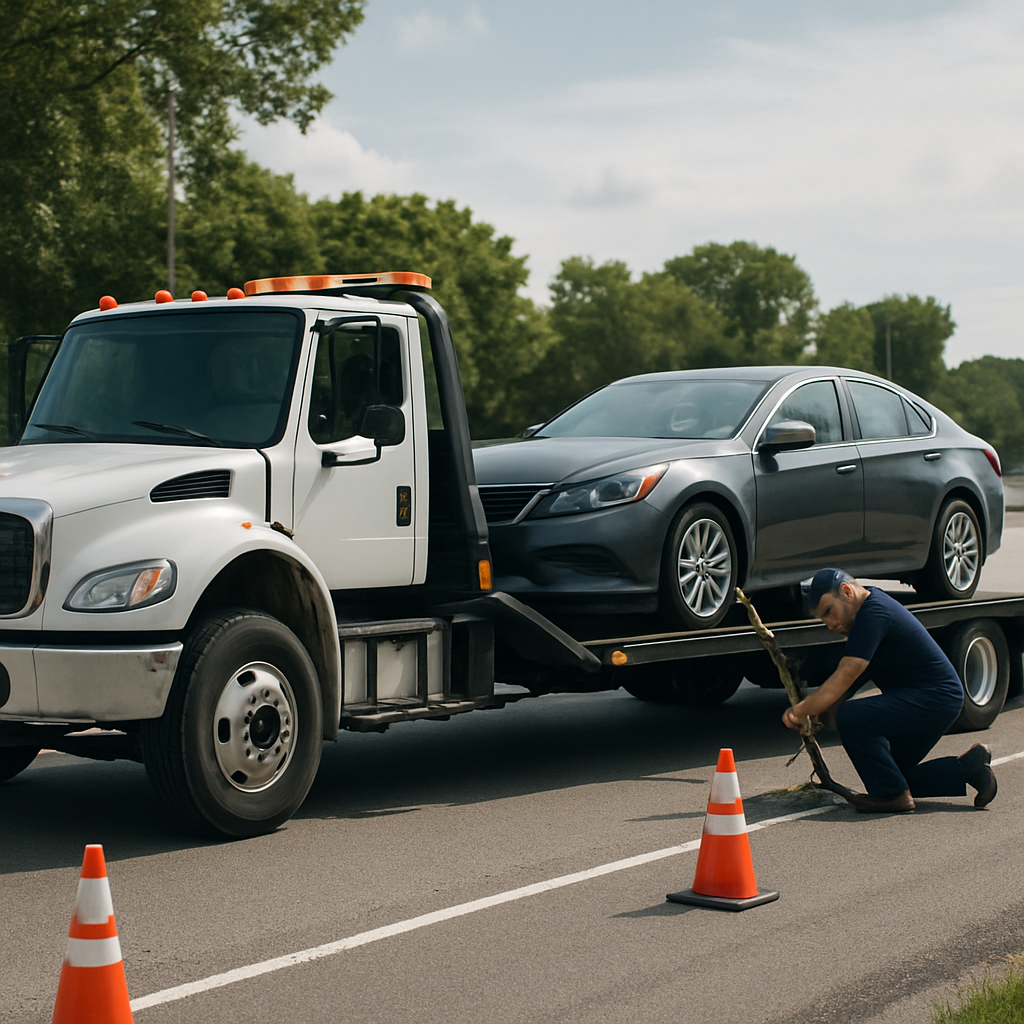
When a vehicle breaks down, gets damaged, or simply needs to be moved, most people want the same three things: a fast response, the right equipment, and no extra damage. That is exactly why understanding vehicle weights, towing methods, and towing capacity matters more than many drivers realize. The difference between a safe tow and a costly mistake often comes down to knowing what kind of vehicle you have, how much it weighs, and whether it should be handled with standard car towing or professional vehicle transport.
Thank you for reading this post, don't forget to subscribe!If you have ever searched for a towing service near me during a stressful roadside emergency, you probably already know that not every tow is the same. A compact sedan, a lifted pickup truck, a luxury sports car, and an electric vehicle all have different needs. Some can be moved with a tow dolly or wheel-lift setup. Others should only be loaded onto a flatbed. A few are best handled by vehicle transport instead of local towing, especially if the trip is long distance or the vehicle is high value, low clearance, all-wheel drive, or not running.
This guide breaks down the most important things everyday drivers should know before calling for vehicle towing or roadside assistance. You will learn average vehicle weights, how towing capacity works in simple English, which cars can usually be towed safely, what towing method fits each type of vehicle, and when car shipping or transport is the smarter option. If you want practical information that helps you avoid damage, save money, and make a better decision in an emergency, you are in the right place.
Vehicle Weights Explained
Vehicle weight is one of the first things a towing professional considers because it affects how a car can be lifted, secured, and transported. It also matters because heavier vehicles place more stress on towing equipment, suspension parts, brakes, and drivetrain components. In simple terms, the heavier the vehicle, the more important it is to match the right tow truck and the right method.
Drivers often think only about whether a car is big or small, but actual weight can vary a lot even within the same category. For example, one midsize sedan may weigh several hundred pounds more than another because of engine size, battery packs, drivetrain type, all-wheel drive, or luxury features. Electric vehicles can weigh much more than similar gas-powered models, while full-size trucks and SUVs can range widely depending on trim level and towing package.
Average Vehicle Weights by Type
The table below gives a practical overview of typical vehicle weights. These are approximate curb weight ranges, which means the vehicle weight without passengers or cargo.
| Vehicle type | Typical weight range | Common examples | Why weight matters for towing |
|---|---|---|---|
| Compact car | 2,400 to 3,100 lbs | Honda Civic, Toyota Corolla | Usually easier to tow, but drivetrain and ground clearance still matter |
| Midsize sedan | 3,100 to 3,700 lbs | Toyota Camry, Honda Accord | Commonly towed with flatbed, wheel-lift, or tow dolly depending on drivetrain |
| Full-size sedan | 3,800 to 4,500 lbs | Chrysler 300, larger luxury sedans | May need extra caution because of weight, wheelbase, and low front spoilers |
| Compact SUV | 3,200 to 4,200 lbs | Honda CR-V, Toyota RAV4 | Heavier than most sedans and more likely to require flatbed towing for AWD models |
| Full-size SUV | 4,800 to 6,500 lbs | Chevrolet Tahoe, Ford Expedition | Weight can exceed some light-duty towing setups, so equipment selection is critical |
| Half-ton pickup truck | 4,500 to 6,000 lbs | Ford F-150, Ram 1500 | Often too heavy for casual equipment and may need a strong flatbed or heavy-duty tow truck |
| Electric vehicle | 3,800 to 5,800 lbs | Tesla Model 3, Tesla Model Y, Ford Mustang Mach-E | Battery layout and drivetrain often require special towing procedures |
| Luxury vehicle | 3,800 to 5,500 lbs | BMW 5 Series, Mercedes-Benz E-Class, Audi A6 | Low clearance, expensive bodywork, and sensitive drivetrain systems often favor flatbed towing |
These ranges are useful because they help explain why a one-size-fits-all towing approach does not work. A compact car may be easy to move, while a heavier SUV or EV may require more planning, more secure tie-downs, and a more suitable towing method.
Real-World Weight Examples
To make vehicle weights more concrete, here are some real-world examples people search for online when deciding how their car should be handled.
Tesla Model 3: Depending on trim, the Tesla Model 3 typically weighs around 3,800 to 4,100 pounds. Even though that is not extreme for a car, the battery placement and electric drivetrain make towing more complicated than with a similar-sized gas sedan.
Ford F-150: A Ford F-150 often weighs roughly 4,500 to 5,500 pounds, and some trims are heavier. This makes it a very different towing job from a compact car, especially if it has a lift kit, larger tires, or a four-wheel-drive system.
Toyota Camry: A Toyota Camry usually weighs about 3,300 to 3,600 pounds. It is a typical midsize sedan that can often be moved safely with the right tow equipment, but drivetrain setup still matters.
Honda Civic: A Honda Civic generally falls around 2,900 to 3,100 pounds. It is one of the more straightforward vehicles for local vehicle towing, though the towing method still depends on model year and drivetrain.
Chevrolet Tahoe: A Chevrolet Tahoe commonly weighs about 5,600 to 6,000 pounds or more. Its size and mass make it a vehicle that requires a more capable towing setup, especially if it has all-wheel drive or is damaged after an accident.
Ram 1500: A Ram 1500 usually weighs around 4,800 to 5,800 pounds depending on configuration. Like other half-ton trucks, it is heavy enough that the wrong towing method can create problems if the truck is not loaded or secured properly.
[Insert Image Here – Vehicle weight comparison or towing setup]
What Towing Capacity Means
People often hear the term towing capacity and assume it only applies to the tow truck. In reality, towing capacity is the maximum amount of weight a vehicle or tow vehicle is designed to pull safely under specified conditions. For ordinary drivers, the important part is understanding that towing capacity is not the same thing as the weight of the car being moved.
Think of it this way: vehicle weight is how heavy the car is. Towing capacity is how much weight the tow vehicle or towing equipment can safely handle. If the towing setup is rated for less than the vehicle’s weight, or if the vehicle’s drivetrain cannot safely roll in the way it is being towed, you can create a serious risk of damage or unsafe road conditions.
This is why professional tow operators ask questions before dispatching. They need to know the vehicle type, whether it is running, whether the wheels roll, whether the steering locks, whether it is AWD or 4WD, whether it is electric, and whether there is accident damage. All of these factors affect the correct towing method and the safety of the job.
Vehicle Weight vs Towing Capacity
These two ideas are connected, but they are not the same. Vehicle weight tells you what you are moving. Towing capacity tells you what the tow setup can handle. A light car may still be difficult to tow if it is disabled in a way that locks the wheels, has suspension damage, or cannot safely roll. A heavier vehicle may be easy to move with a flatbed if the truck is properly rated and equipped.
Improper towing can damage a car in several ways:
- Transmission damage if the drivetrain is turning when it should not be.
- Tire wear or wheel damage from dragging or incorrect dolly placement.
- Suspension damage if the vehicle is loaded at the wrong angle or with a bent axle.
- Bumper, splitter, or underbody damage on low-clearance vehicles.
- Battery or electrical damage on electric and hybrid vehicles if the wrong procedure is used.
For that reason, towing capacity should never be treated as a rough guess. Good vehicle towing depends on matching the right equipment to the right car, not simply pulling until it moves.
Which Vehicles Can Be Towed Safely?
Most vehicles can be moved safely if the correct method is chosen. The real question is not whether a vehicle can be towed at all, but how it should be towed. Some cars are fine with wheel-lift towing, some are best on a tow dolly, and some should only ride on a flatbed. Drivetrain layout makes a big difference.
Front-Wheel Drive Vehicles
Front-wheel drive vehicles are often easier to tow than AWD or 4WD models, but they still require proper handling. Because the front wheels are connected to the drivetrain, towing them with the front wheels on the ground can create transmission or drivetrain wear unless the manufacturer specifically allows it. In many cases, a tow dolly or flatbed is preferred, especially for longer distances.
Rear-Wheel Drive Vehicles
Rear-wheel drive vehicles can also be towable in certain situations, but they should not be assumed safe for every method. Some can be moved with the rear wheels on the ground if the drivetrain is configured correctly and the transmission is set as required by the manufacturer. Others are better handled by flatbed towing to avoid damage and eliminate risk.
All-Wheel Drive and Four-Wheel Drive Vehicles
AWD and 4WD vehicles are where many towing mistakes happen. These systems connect multiple wheels or axles through a drivetrain designed for normal driving, not for having only two wheels rolling at highway speed. Towing an AWD or 4WD vehicle incorrectly can cause expensive drivetrain damage in a very short time. In many cases, flatbed towing is the safest recommendation.
Some AWD systems have manufacturer-specific towing instructions, but those instructions should always be followed exactly. If the vehicle manual says the car can only be moved a certain distance at a certain speed, that is not a suggestion. It is the condition under which the vehicle can be protected from damage.
Electric Vehicles
Electric vehicles are in a category of their own. They may be front-wheel drive, rear-wheel drive, or dual-motor AWD, but the main issue is the electric drivetrain and battery system. Many EVs should not be towed with driven wheels on the ground because the motors can generate electrical energy while spinning. That can damage components or create unsafe conditions.
EVs often need flatbed towing or a manufacturer-approved procedure that isolates the drivetrain correctly. They can also require special attention if the battery is depleted, the vehicle has an active warning, or the suspension sits low due to weight distribution. This is one reason EV owners should be careful when calling for emergency towing.
Which Vehicles Need Extra Caution?
Certain vehicles demand more attention even if they are not especially heavy. These include:
- Luxury cars with low front lips or air suspension
- Lowered sports cars with limited ground clearance
- AWD crossovers and SUVs
- Electric cars with battery packs and motor-driven axles
- Vehicles with accident damage, bent wheels, or failed suspension
- Older vehicles with unknown drivetrain conditions
In these cases, a professional tow operator will usually lean toward flatbed towing because it minimizes contact and reduces the chance of worsening the problem.
Different Towing Methods Explained
There are four common towing methods used in vehicle towing and roadside assistance. Each one has a different purpose, and each one is better for some vehicles than others. Choosing the right method is essential for safety, speed, and preventing damage.
[Insert Image Here – Tow truck helping a stranded vehicle]
Flatbed Towing
How it works
Flatbed towing uses a truck with a long, flat platform that tilts down so the vehicle can be driven, winched, or carefully pulled onto the bed. Once the vehicle is fully on the platform, it is secured with straps or chains and transported with all four wheels off the ground.
When it is best
Flatbed towing is ideal for electric vehicles, AWD vehicles, luxury vehicles, low-clearance cars, accident-damaged cars, and long-distance moves. It is also the safest all-around choice when the condition of the vehicle is unknown.
Pros
- All wheels stay off the road
- Reduces drivetrain and tire wear
- Best for damaged, luxury, and electric vehicles
- Usually the safest option for long-distance transport
Cons
- Can cost more than simpler towing methods
- May take longer to load in tight spaces
- Not always practical in extremely limited access areas
Safety concerns
The vehicle must be properly centered and secured. Low bumpers, splitters, and ground effects need careful loading angles. If the car is not running, winching and loading technique become even more important.
Flatbed towing is the method most people mean when they ask for safe car towing, and for good reason. It avoids many of the drivetrain concerns that come with other methods.
Tow Dolly Towing
How it works
A tow dolly lifts the front or rear wheels of a vehicle onto a small two-wheel trailer while the remaining wheels stay on the ground. This method is commonly used for some front-wheel drive or rear-wheel drive cars, depending on manufacturer guidance.
When it is best
A tow dolly can work well for certain lighter vehicles, especially when a flatbed is not available and the vehicle’s drivetrain supports it. It is often used for short moves or local towing when conditions are suitable.
Pros
- Can be more affordable than full flatbed towing
- Useful for some simple short-distance moves
- More compact than a full trailer
Cons
- Not suitable for many AWD and 4WD vehicles
- Can place stress on the remaining rolling wheels and drivetrain
- Requires correct tire width, loading angle, and securement
Safety concerns
A tow dolly should never be used without checking manufacturer instructions. The wrong setup can damage the transmission, differential, or tires. Many people make the mistake of assuming any car can ride on a tow dolly, which is not true.
A tow dolly is useful, but it is not a universal solution. It works best when the vehicle is light, compatible, and only needs a short local move.
Trailer Towing
How it works
Trailer towing uses a full trailer behind a capable tow vehicle. The disabled vehicle is loaded onto the trailer and secured with straps, chains, or wheel nets. Like a flatbed, it keeps the vehicle off the road, but the setup is pulled by another vehicle rather than a dedicated tow truck bed.
When it is best
Trailers are often used for car shipping, classic car transport, motorsports, and special situations where a tow truck is not the best fit. They can also be useful for long-distance vehicle transport when the right tow vehicle is available.
Pros
- All wheels are off the ground
- Good for long-distance vehicle transport
- Useful for specialty cars and collector vehicles
Cons
- Requires a strong tow vehicle
- Backing up and maneuvering can be difficult
- Loading angle and strap placement must be managed carefully
Safety concerns
Trailer towing can become unstable if the vehicle is not centered correctly or if the trailer is overloaded. Incorrect tongue weight or poor securement can create sway and reduce control. For that reason, it is not always the best choice for everyday roadside assistance.
A trailer is often a good fit for vehicle transport, but it is not the simplest solution for a breakdown on the side of the road.
Wheel-Lift Towing
How it works
Wheel-lift towing uses a metal yoke that lifts either the front or rear wheels off the ground while the other pair rolls. This is a modern version of older hook-and-chain towing and is widely used for short-distance towing and quick roadside recovery.
When it is best
Wheel-lift towing is commonly used for local car towing, parking enforcement, and emergency towing where speed and access matter. It can work well for certain vehicles over short distances when handled properly.
Pros
- Fast and efficient for local response
- Good for tight urban areas
- Often used when the vehicle needs to be moved quickly
Cons
- Two wheels remain on the ground
- Can be risky for some drivetrains
- Not ideal for low-clearance or damaged vehicles
Safety concerns
Wheel-lift towing should be matched carefully to the drivetrain and vehicle condition. If a vehicle has suspension issues, body damage, or drivetrain limitations, a wheel-lift may not be appropriate. It can also be harder on tires and components than a flatbed if the vehicle is not suited to it.
For that reason, wheel-lift towing is best understood as a practical local solution, not a universal one.
Best Towing Method by Vehicle Type
This table gives a practical overview of the most suitable towing method based on vehicle type and typical weight. Always follow the vehicle manufacturer’s instructions when available.
| Vehicle type | Typical weight | Recommended towing method | Special precautions |
|---|---|---|---|
| Compact car | 2,400 to 3,100 lbs | Wheel-lift, tow dolly, or flatbed | Check drivetrain and steering lock before moving |
| Midsize sedan | 3,100 to 3,700 lbs | Flatbed preferred; dolly may work for compatible models | Watch for transmission limits and low front clearance |
| Front-wheel drive SUV | 3,200 to 4,500 lbs | Flatbed or carefully selected tow dolly | Confirm whether front wheels can be lifted safely |
| AWD crossover | 3,500 to 4,800 lbs | Flatbed | AWD systems are often damaged by two-wheel towing |
| Half-ton pickup | 4,500 to 6,000 lbs | Flatbed or heavy-duty wheel-lift only if approved | Check weight rating, tire condition, and suspension damage |
| Electric vehicle | 3,800 to 5,800 lbs | Flatbed | Follow EV-specific towing procedure and battery precautions |
| Luxury low-clearance car | 3,800 to 5,500 lbs | Flatbed | Use low-angle loading to protect splitters and underbody panels |
| Accident-damaged vehicle | Varies | Flatbed in most cases | Inspect wheel alignment, suspension, leaks, and frame damage before moving |
Safety Before Towing: A Practical Checklist
Before any tow begins, a quick safety check can prevent a bigger problem. This is especially important in emergency towing situations, where drivers may be stressed, tired, or unsure what happened to the vehicle. A professional tow operator will evaluate these issues first, but it helps for vehicle owners to understand them too.
- Parking brake: Make sure the parking brake is released before loading or moving the vehicle, unless a damaged vehicle needs special stabilization.
- Transmission position: Confirm the vehicle is in the correct setting for towing or loading according to the manufacturer’s instructions.
- Wheel condition: Look for bent wheels, missing lug nuts, flat tires, or wheel damage that may make rolling unsafe.
- Battery considerations: A dead battery can affect steering locks, parking brakes, and electronic transmission controls.
- EV safety concerns: Electric vehicles may need special shutdown and transport steps to protect the battery and motors.
- Clearance issues: Low bumpers, spoilers, and side skirts may scrape during loading if the angle is too steep.
- Tire issues: A tire blowout or sidewall damage can make a dolly or wheel-lift inappropriate.
- Damaged suspension: Broken control arms, bent axles, or shifted wheels usually call for flatbed towing.
- Accident situations: Check for fluid leaks, frame damage, airbag deployment, and wheel position before any move.
When in doubt, it is better to pause and inspect than to force a vehicle onto the wrong equipment. That is how avoidable damage happens.
Common Towing Mistakes That Cause Damage
Many towing problems happen because a vehicle was moved too quickly without enough information. The driver might have been trying to save time, or the vehicle owner may have assumed the car could be handled like any other. Unfortunately, some mistakes are expensive and completely preventable.
Towing the Wrong Drivetrain Incorrectly
One of the biggest errors is towing an AWD or 4WD vehicle with the wrong wheels on the ground. Even short-distance improper towing can stress the transfer case, differential, or transmission. Some drivers do not realize that all-wheel drive systems are not designed for that kind of movement.
Using the Wrong Equipment
Not every tow truck or trailer is appropriate for every vehicle. Using a wheel-lift on a car with a damaged suspension or using a tow dolly on a model that should not be dolly-towed can lead to additional repairs. Matching the equipment to the vehicle matters just as much as having a truck on scene.
Overloading the Tow Setup
Every professional towing setup has a weight rating. If the vehicle is too heavy for the tow truck, trailer, or dolly, the risk of instability increases. That can affect steering, braking, and securement. It is one reason heavy pickups and full-size SUVs sometimes need a stronger unit than a standard tow truck.
Ignoring Manufacturer Recommendations
Vehicle manuals often include very specific towing instructions. Those instructions may describe how far a vehicle can travel, how fast it can be moved, and what must be disconnected first. Ignoring those details can turn a small roadside issue into a transmission or battery problem.
Towing an Electric Vehicle the Wrong Way
Electric vehicles are especially sensitive to incorrect towing. If the drive motors spin unexpectedly or the car is not placed in a proper transport mode, the result can be battery system strain or drivetrain damage. This is why many EVs should be treated as flatbed-only unless the manufacturer says otherwise.
Moving a Car After an Accident Without Checking Damage
A car that has been in a collision may look movable when it really is not. Bent wheels, leaking fluids, deployed airbags, or a damaged steering system can make the vehicle unsafe to roll. Moving it the wrong way can worsen body damage or cause the vehicle to drag unexpectedly. In those situations, a flatbed or professional recovery approach is usually the safest choice.
Emergency Towing Situations Drivers Deal With Every Day
Most people do not plan to need towing. It happens when something goes wrong at the wrong time. That is why emergency towing and roadside assistance are such important services. A good towing company does more than hook up a vehicle; it helps solve a stressful problem in a safe, efficient way.
Dead Battery
A dead battery can leave a driver stranded in a driveway, parking lot, or roadside shoulder. In some cases, roadside assistance may be able to jump-start the vehicle. If the battery issue is tied to a larger electrical fault or the vehicle will not shift into neutral, towing may be needed instead.
Flat Tire
Many drivers can change a flat tire, but not all vehicles have a usable spare, and not all roadside locations are safe for a tire change. If the tire damage is severe, the wheel is bent, or the vehicle sits too low to safely jack up, towing may be the better choice.
Engine Failure
When the engine fails, the vehicle may not start, may not idle, or may stall unexpectedly. If the car cannot be driven safely to a shop, vehicle towing is the practical answer. Flatbed towing is often the safest option when the mechanical problem is unknown.
Overheating
Overheating can cause a chain reaction of damage, from coolant loss to warped components. If a car is overheating repeatedly, driving it further can make the repair bill worse. Towing the vehicle to a repair facility is often smarter than risking additional engine damage.
Accident Damage
After a collision, the vehicle may have hidden damage beneath the body panels. Wheels may point in different directions, steering may feel off, or fluids may be leaking. In these cases, emergency towing is not just about convenience; it is about getting a potentially unsafe vehicle out of traffic and into proper repair.
Locked Transmission
Some vehicles cannot shift into neutral because of a transmission failure, dead battery, or internal fault. This creates a challenge because the vehicle cannot simply be rolled onto any equipment. A professional tow operator may need a flatbed, dollies, or a recovery strategy that safely bypasses the obstruction.
EV Battery Issue
Electric vehicles can be immobilized by a battery fault, a charging failure, or a system warning that disables normal driving. Because EVs often weigh more and use specialized drivetrains, they should be handled with the right procedure from the start. This is one case where calling an experienced vehicle towing provider can prevent a very expensive mistake.
Long-Distance Breakdown
Sometimes the vehicle does not just need to go to the nearest repair shop. It may have broken down far from home, or the driver may need to get it to a specific dealership, storage lot, or trusted mechanic. This is where the line between regular towing and vehicle transport becomes very important.
Car Transport vs Towing: Knowing the Difference
Many drivers use the terms towing, car shipping, and vehicle transport interchangeably, but they are not always the same service. Regular towing usually means local movement after a breakdown, collision, or roadside emergency. Vehicle transport or car shipping usually refers to moving a car over a longer distance, often across cities, regions, or states.
The right choice depends on distance, vehicle condition, value, and urgency. If the car only needs to go a few miles to a shop after a flat tire or battery failure, regular towing is often the fastest and most economical answer. If the vehicle needs to move hundreds of miles, or if it is a specialty vehicle that deserves more controlled handling, vehicle transport is usually the better fit.
When Regular Local Towing Makes Sense
Local towing is generally the right answer when the car is disabled, the destination is nearby, and speed matters more than long-haul logistics. This includes getting a broken-down commuter car to a repair shop, recovering a vehicle from a parking lot, or moving a damaged car after an accident.
When Long-Distance Vehicle Transport Is Better
Vehicle transport becomes a smarter choice when the trip is long, the vehicle is valuable, or the owner wants a more specialized handling approach. Transport services are often more efficient for non-running vehicles, classic cars, out-of-state purchases, and multi-state relocations.
Professional Car Shipping for Special Situations
Car shipping is commonly used when someone buys a vehicle online, moves for work, or needs a classic or luxury car moved without adding mileage. These services are built to reduce stress over long distances. They also help protect vehicles that are not ideal candidates for repeated local towing.
Flatbed Transport for Specialty Vehicles
Flatbed transport bridges the gap between towing and shipping. It is often used for low-clearance sports cars, exotics, restored classics, electric vehicles, and expensive luxury models. The all-wheels-off-the-ground approach is one of the safest ways to move a vehicle that should not be dragged, dolly-towed, or exposed to road hazards.
When to Choose Transport Instead of Towing
Choose vehicle transport or car shipping instead of regular towing when:
- You bought a car out of state
- You need to ship a classic car
- You are moving a non-running vehicle over a long distance
- You want to relocate a luxury car without added risk
- You need to move a vehicle across multiple states
- The vehicle is too valuable, too low, or too complex for a standard tow
In those situations, trying to solve the problem with a quick local tow can cost more in the long run if the method is not right for the vehicle.
[Insert Image Here – Professional vehicle transport or flatbed towing]
Helpful Facts About Towing, Weights, and Transport
Some towing facts are not obvious until you have seen enough recovery jobs to compare them. These practical details can help vehicle owners make better decisions when they are under stress.
- Electric cars often need special towing procedures because their motors and battery systems can be affected by how the wheels rotate during transport.
- AWD vehicles can be damaged if towed incorrectly because their drivetrain is designed to distribute power among multiple wheels, not to have part of the system rolling freely at speed.
- Heavy pickups and full-size SUVs are among the hardest vehicles to tow because their weight can push the limits of lighter equipment.
- Low-clearance luxury cars often need flatbeds because front bumpers, side skirts, and underbody components can scrape during loading.
- Long-distance towing is not always the best choice for every vehicle, especially if the car would be safer and more economical on a dedicated transport service.
- A vehicle that looks drivable may still be unsafe to tow normally if the axle, tire, suspension, or steering has hidden damage.
- The safest towing method is often the one that keeps all wheels off the ground, particularly for complex drivetrains and damaged cars.
These details are useful because the cheapest or fastest option is not always the safest option. When the goal is protecting the vehicle, the right method matters more than the lowest price.
How to Think About Towing in Real-Life Situations
People do not usually search for towing information because they are casually curious. They are often dealing with a dead car, a stressful breakdown, or a decision they need to make right away. Here is how the information in this article applies to common situations.
If your Toyota Camry has a dead battery and is parked in your driveway, you may only need roadside assistance or a short local tow. If your Tesla Model 3 loses power away from home, flatbed towing is usually the safer move. If your Ford F-150 is stuck after a suspension issue, a standard wheel-lift may not be the best fit. If your Chevrolet Tahoe has been in a collision, the added weight and possible structural damage make a flatbed much more appropriate. If you just bought a Ram 1500 in another state, vehicle transport may be a better solution than trying to arrange a one-off long-distance tow.
That is the real value of knowing the differences. It helps you ask better questions when you call a towing company and helps you understand why the operator recommends a particular method.
FAQ: Vehicle Towing, Weights, and Transport
Can you tow an electric car?
Yes, many electric cars can be towed, but they often require special procedures. In many cases, flatbed towing is the safest option because it keeps the wheels off the ground and reduces the risk of drivetrain or battery-related issues. Always check the manufacturer’s towing instructions before moving an EV.
Can an AWD car be towed with two wheels on the ground?
Not always, and in many cases the answer is no. AWD vehicles are commonly vulnerable to drivetrain damage if they are towed with only two wheels on the ground. Some models have specific manufacturer-approved procedures, but a flatbed is often the safest choice.
What is the safest way to tow a luxury car?
For most luxury cars, especially low-clearance models, flatbed towing is the safest method. It reduces the chance of scraping bumpers or underbody parts and keeps the drivetrain from being stressed during transport. Luxury vehicles also benefit from careful loading angles and secure tie-downs.
How much does an average sedan weigh?
An average sedan usually weighs between about 3,100 and 3,700 pounds. Compact sedans can be lighter, while full-size sedans and some luxury models can weigh more. Exact weight depends on the model, trim, drivetrain, and equipment.
What happens if a vehicle is towed incorrectly?
Incorrect towing can damage the transmission, tires, differential, suspension, steering components, or battery system. In some cases, the damage is immediate. In others, it may not show up until later, when the owner notices strange noises, poor handling, or warning lights.
When should I use vehicle transport instead of regular towing?
Vehicle transport is usually better for long-distance moves, out-of-state purchases, classic cars, luxury cars, non-running vehicles, and relocations across several states. Regular towing is generally better for short-distance emergency situations like a breakdown, dead battery, or accident recovery.
Can a pickup truck be towed with a dolly?
Sometimes, but not always. It depends on the truck’s drivetrain, weight, tire size, and manufacturer recommendations. Many pickup trucks are heavy enough that flatbed towing is the safer and more practical choice. A dolly may not be appropriate for larger or AWD models.
Why is flatbed towing often recommended?
Flatbed towing is often recommended because it keeps all wheels off the ground, which reduces wear, avoids drivetrain complications, and is safer for damaged, luxury, low-clearance, and electric vehicles. It is one of the most versatile and damage-resistant towing methods available.
Can I drive a car after it has been towed the wrong way?
If a vehicle was towed incorrectly, it should be inspected before driving again. Hidden damage may affect the transmission, differential, brakes, tires, or steering. Even if the car seems fine at first, continuing to drive it without checking can lead to bigger repairs.
Is roadside assistance the same as towing?
Not exactly. Roadside assistance can include jump-starts, tire changes, fuel delivery, lockout help, and minor on-site repairs. Towing is used when the vehicle cannot be safely fixed at the scene and must be transported to another location.
Making the Right Call When Your Vehicle Needs Help
Knowing a few basics about towing capacity, vehicle weight, drivetrain layout, and transport options can make a stressful situation much easier to handle. It also helps you avoid the most common mistakes drivers make when trying to move a vehicle quickly without enough information. A compact car does not need the same approach as an electric SUV. A broken-down sedan does not need the same handling as a low-clearance luxury coupe. A local breakdown does not always call for the same solution as an out-of-state purchase or a classic car move.
When you understand the difference between car towing and vehicle transport, you can make a smarter choice and protect your vehicle at the same time. And when the situation is urgent, working with an experienced professional can save time, money, and stress by matching the right method to the right vehicle from the start.
About the Author