AI-generated illustration
The short answer: to get a car out of an impound or storage lot, you usually need to (1) find out who towed it and where it is, (2) get a police release if the police ordered the impound, (3) bring photo ID and proof that you own the car or may use it, and (4) pay the towing and storage fees. Move fast. Storage is usually charged per day, and in many places an unclaimed car can eventually be sold. If you think the tow was wrong, you may have a short window to ask for a hearing, often 10 to 14 days depending on the state.
Disclaimer: TowCars.com is a nationwide towing information and referral service. We don’t tow, dispatch, or store vehicles, and we don’t guarantee any towing company. If you send us a request, we pass it to independent providers who set their own prices and terms. See our disclosure.
Step 1: Find Out Where Your Car Is
Before assuming a car was stolen, check whether it was towed. Where to look depends on who ordered the tow.
If it was towed from a private lot
Look for a tow-away sign at the lot. In Texas, for example, TDLR tells drivers to call the phone number posted on the tow-away sign to find the car. If your car has a boot, call the number on the warning sticker and don’t try to remove the boot yourself.
If police ordered the tow
Call the local police non-emergency line, or use your city’s online lookup if it has one. Some examples:
- Los Angeles: the Official Police Garages of Los Angeles (OPGLA) site lets you search by license plate and state, or by VIN. See our Los Angeles towing guide.
- Houston: HPD says to call the tow line at 713-308-8580 or search findmytowedcar.com with your VIN or plate. See our Houston towing guide.
- Phoenix: the Phoenix Police Department’s Public Records and Services Unit handles impounds and can be reached at 602-495-2096. See our Phoenix towing guide.
Have your plate number, VIN, and the approximate time and place the car was parked ready.
Step 2: Check Whether You Need a Police Release
For some police impounds, the storage lot cannot hand over the car until the police department says so. Two examples:
- Phoenix: for impounds under Arizona’s mandatory impound law (ARS 28-3511), the owner pays a $150 administrative fee to the City of Phoenix and receives a release form to take to the towing company. Phoenix PD says the tow company cannot release these vehicles without that paperwork.
- Los Angeles: the LAPD says that for a vehicle on a 30-day hold, the registered owner must wait until the hold ends and then get a release from the Area auto detectives. Releases go only to registered owners, with limited exceptions for early release.
Ask the police department or lot whether a release is required before you make the trip.
Step 3: Gather the Right Documents
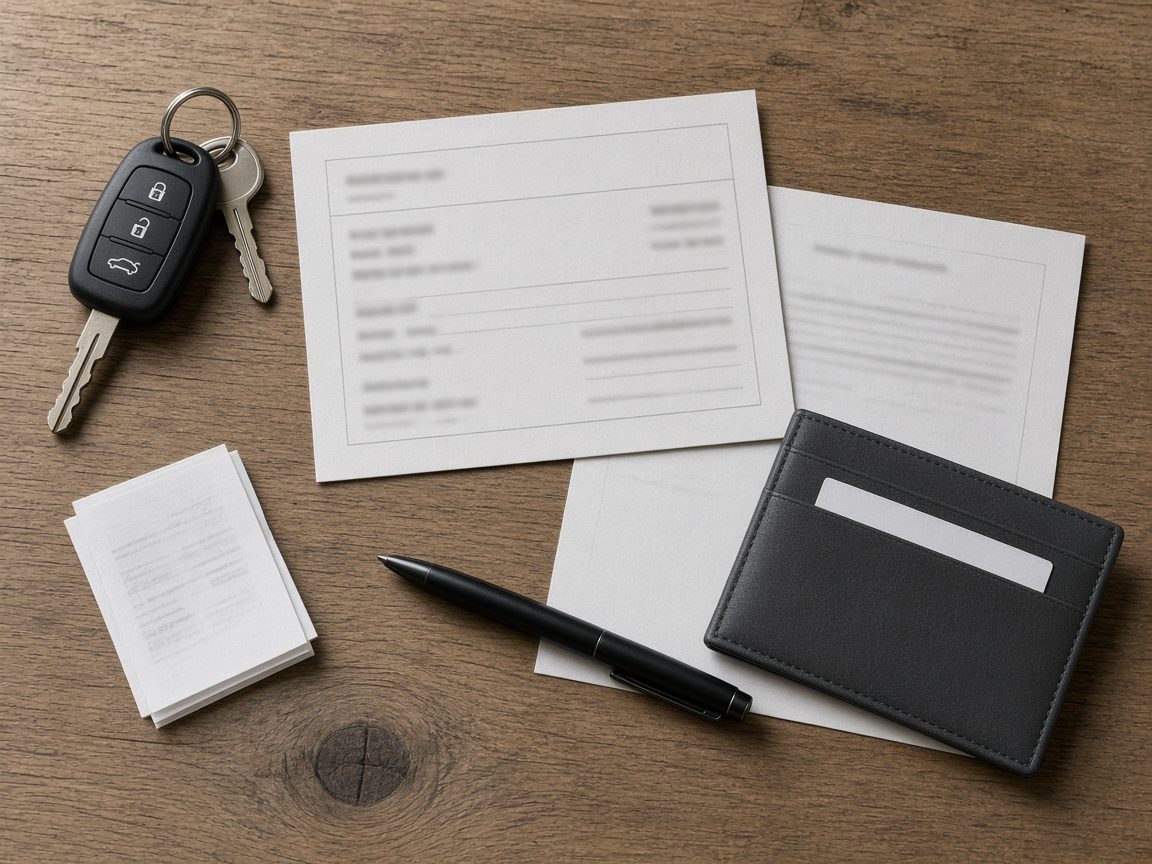
Requirements vary, but expect to show who you are and that you can legally take the car. TDLR’s consumer page, for example, says that to recover a car at a Texas storage facility you must:
- Show photo identification. A state driver’s license or ID card, a federal photo ID, or a photo ID from a foreign government, such as a Mexican driver’s license or a matrícula consular, is accepted.
- Prove that you own the car or have the owner’s permission to use it. Accepted proof includes a license whose name matches the registration record, an insurance card naming you as an insured for the car, or the title.
- Pay all towing and storage fees.
Phoenix lists a valid driver’s license, current registration, and proof of insurance for the registered owner in mandatory-impound cases. If the car isn’t titled in your name yet, Phoenix says you must meet title and registration requirements first. Bring more paperwork than you think you need. A second trip usually means another day of storage.
Step 4: Understand the Fees
Impound bills usually include some mix of the following:
- Towing fee: often set by a city rate schedule for police tows
- Daily storage: charged for each day or part of a day
- Administrative or release fee: charged by some police departments
- Notice or impound fees, and after-hours gate fees
Some published examples:
- Texas: TDLR caps storage at $22.85 a day for vehicles 25 feet or shorter. It allows a notification fee of up to $50 and an impoundment fee of up to $22.85. Fees to access your personal property are not allowed. Storage facilities must take cash, debit cards, and credit cards.
- Los Angeles: the 2026 Official Police Garage rate is $68 a day for a standard vehicle if you pay by credit card, or $66 otherwise.
- Phoenix: storage is capped at $25 a day for ARS 28-3511 impounds and $15 a day under City Code 23-55. There is a $75 after-hours rate and the $150 administrative fee for mandatory impounds.
Our tow truck cost guide explains towing charges in more detail.
Step 5: Get Your Belongings Out
You may be able to get personal items even before you can pay for the car. In Texas, TDLR says you may access the car to get ownership documents or personal property, and that the facility can’t charge a fee for that access. Rules differ by state, so ask the lot.
Think the Tow Was Wrong? Ask for a Hearing Quickly
Most places let you challenge an impound, but the deadline is short.
- Texas: for non-consent tows, you request a tow hearing at the justice court named in the notice from the tow company or storage facility. TDLR says you must file before the 14th day after the car was placed in storage, not counting Saturdays, Sundays, and national holidays.
- California: under Vehicle Code §22852, when a public agency has a car stored, the owner may request a poststorage hearing within 10 days of the notice date. If the storage is found invalid, the agency pays the towing and storage charges. This section doesn’t apply to removals from private property under §22658. In Los Angeles, the LAPD says to contact the police station that impounded the car within 10 days of the date on the written notice.
- Phoenix: owners, spouses, and lienholders may request a free post-storage hearing for ARS 28-3511 impounds. Request it within the deadline on your notice (Phoenix’s pages cite ten days) by calling 602-495-2096.
A hearing usually decides only whether the tow or impound was valid. It does not resolve related tickets or criminal charges. Rules change; verify with your local authority.
What Happens If You Don’t Claim the Car?
Storage keeps adding up, and the car can eventually be sold. In Texas, TDLR says a storage facility must mail or publish at least two notices, and it may sell the car at a public sale 30 days after the second notice. In Phoenix, the city says a tow company may file for an abandoned title if a released vehicle isn’t claimed within ten days of the date it becomes available. If you don’t want the car anymore, talk to the lot. See our guide to selling a junk car without a title.
How to Avoid the Impound Lot Next Time
- Read parking signs carefully, especially at apartment complexes and shopping centers.
- If you break down, call your own roadside provider or a tow company you choose. Don’t accept an unrequested tow. See how to choose a tow company and avoid scams.
- Keep registration and insurance current. Driving without them can lead to a mandatory impound in some states.
Frequently Asked Questions
How do I know whether my car was towed or stolen?
Check for tow-away signs and call the number posted, use your city’s towed-car lookup, or call the police non-emergency line. If no agency or tow company has the car, report it stolen.
Can someone else pick up my car from the impound lot?
Sometimes. Texas accepts proof that you’re an authorized user, such as an insurance card naming you. Some police releases, such as LAPD 30-day-hold releases, go only to the registered owner. Ask before you send someone.
Do I have to pay before I can get my belongings?
It depends on the state. In Texas, you may access the car for personal property and ownership documents without paying a fee.
How long do I have to dispute a tow?
It’s often 10 to 14 days. Texas allows 14 days, not counting weekends and national holidays. California public-agency storage and Phoenix mandatory impounds allow 10 days from the notice. Your notice should list the deadline.
Can the car be towed straight to my mechanic instead?
Once it’s in a police impound, usually not until it’s released. After that, you can hire a tow to any destination. Send us a request and we’ll pass it to providers in your area.
Need a Tow Out of the Lot?
TowCars.com doesn’t tow vehicles. If your released car won’t drive or you’d rather not drive it, send us a request and we’ll connect you with independent towing providers who can quote the job. Before the car moves, review how to tow a car safely.
Rules change; verify with your local authority. All details were checked against the official sources below in October 2026.
Sources
- Texas Department of Licensing and Regulation – Towing Consumer Information
- Texas Department of Licensing and Regulation – VSF Fees
- California Vehicle Code §22852
- LAPD – How Can I Get My Car Out of Impound?
- Official Police Garages of Los Angeles – Vehicle Search
- Los Angeles Board of Police Commissioners – 2026 OPG Rates (PDF)
- Houston Police Department – Towed Vehicles FAQ
- Phoenix Police Department – Vehicle Impoundment Information
- Phoenix Police Department – ARS 28-3511 Impoundment FAQ
- Phoenix Police Department – Request a Post-Storage Hearing
- Phoenix Police Department – Vehicle Towing
About the Author