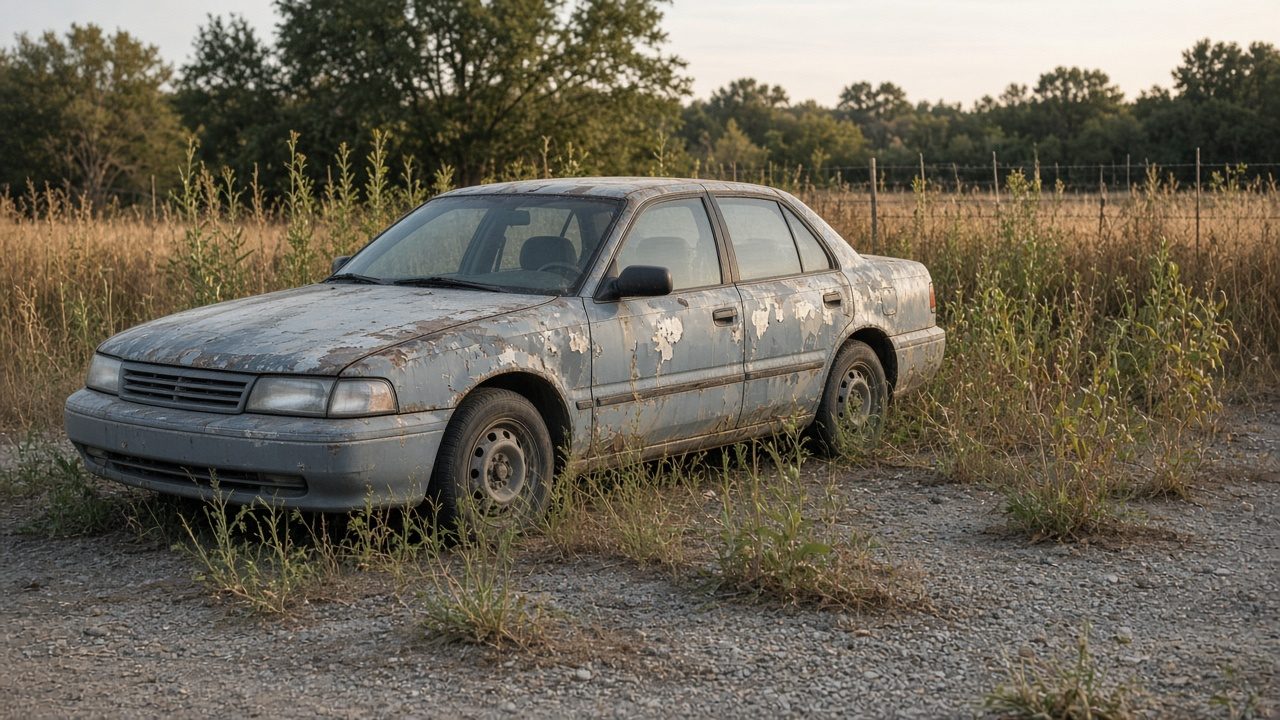
AI-generated illustration
The short answer: usually not easily, at least not in a way that protects you. Licensed salvage yards and recyclers generally have to collect ownership documents and report the vehicles they take in, and many states require a properly signed title to transfer a car. If you own the car and lost the title, the cleanest fix is to apply for a replacement or certified copy of the title from your state’s motor vehicle agency, then sell. If you never had a title in your name, you may need a bonded title or another state procedure first. Rules differ widely by state, so check yours before you call buyers.
Disclaimer: TowCars.com is a nationwide towing information and referral service. We don’t tow, dispatch, or store vehicles, and we don’t guarantee any towing company. If you send us a request, we pass it to independent providers who set their own prices and terms. See our disclosure.
Why Junk Car Buyers Ask for a Title
A title is the legal proof that you own the car and can sell it. Buyers who handle salvage vehicles also have their own legal duties. A few examples:
- Federal reporting: under the National Motor Vehicle Title Information System (NMVTIS), auto recyclers and junk and salvage yards are generally required to report salvage vehicle data monthly. There are limited exceptions, such as yards that handle fewer than five salvage vehicles a year.
- Texas: the Occupations Code says a salvage vehicle dealer who buys a salvage motor vehicle from an owner must receive a properly assigned title, with limited exceptions under the Transportation Code. A metal recycler that buys a motor vehicle must submit a title or comparable ownership document to the state.
- California: DMV procedures for dismantlers who junk a vehicle require them to file a Report of Vehicle to be Dismantled (REG 42) along with evidence of ownership.
Because of these rules, a reputable buyer will usually ask for a title, and an offer to take a car with “no paperwork, no questions” deserves caution.
Step 1: Figure Out Your Situation
The car is titled in your name, but the title is lost or damaged
This is the easiest case. Apply for a replacement or certified copy (Step 2).
You bought the car but the title was never transferred to you
Contact the seller for a signed title if you can. If not, your state may offer a bonded title or a similar process. Texas, for example, offers a bonded title, and the bond amount is 1½ times the vehicle’s value as determined by TxDMV. Texas notes that a vehicle considered junked or nonrepairable isn’t eligible for a bonded title.
It’s a very old vehicle
Some states don’t title older vehicles. New York, for example, doesn’t issue titles for cars, trucks, and vans from model year 1972 or older. For those, the transferable registration is the ownership document.
Step 2: Get a Replacement Title (State Examples)
California
- If your title is lost, stolen, or damaged, submit the Application for Replacement or Transfer of Title (REG 227) in person or by mail. The DMV’s Virtual Office also has a replacement title service.
- When you sell, file a Notice of Transfer and Release of Liability (NRL) within 5 days. Any change in ownership must be reported to the DMV within 10 days.
Texas
- Apply for a certified copy of title with Form VTR-34. TxDMV lists a $2 fee by mail or $5.45 in person.
- If a lien is recorded, you’ll need an original release of lien, even if the loan was paid off.
- You must wait 30 days after the last certified copy was issued before applying for another.
New York
- For model year 1973 or newer, the acceptable proof of ownership is the original NY title. The DMV doesn’t accept certified copies, so if it’s lost you must order a replacement title.
- The NY DMV says a bill of sale alone is not acceptable proof of ownership without a title or transferable registration.
Florida
- For a lost paper title, submit the Application for Duplicate or Lost in Transit Reassignment for a Title Certificate (HSMV 82101) with valid ID at a county tax collector’s office or service center.
- If your title is electronic and has no lien, you can have it converted to paper through the MyDMV Portal for $4.50.
Fees and forms change. Confirm on your state’s official site before you submit. Rules change; verify with your local authority.
Step 3: Sell the Car the Right Way
- Get offers from licensed buyers. Ask whether they’re licensed and how they report vehicles.
- Sign the title exactly as your state requires. Don’t leave the buyer section blank.
- Write a bill of sale with the date, price, VIN, and both names, and keep a copy.
- Remove your plates and belongings if your state requires it.
- Report the sale to your DMV. In California, file the NRL within 5 days.
- Cancel insurance and registration after the transfer is recorded.
Getting a Junk Car Picked Up
Many buyers arrange pickup. If you need to move the car yourself, keep in mind that a car that has sat for a long time may have flat tires, seized brakes, or a locked steering column. A flatbed is often the safest choice. See how to tow a car safely, towing methods by vehicle weight, and the hardest vehicles to tow. If the car is in an impound lot, see our impound lot guide first, and read our tow truck cost guide for what drives pickup costs.
Red Flags When Selling a Junk Car
- A buyer who says they’ll “handle the title later” but won’t put it in writing
- A request to sign a blank title
- A big quote on the phone that drops sharply at pickup. Get the offer in writing.
- Unexpected towing fees deducted at pickup. See how to avoid towing scams.
Frequently Asked Questions
Can I junk a car with just a bill of sale?
Often not. In New York, for example, a bill of sale alone isn’t acceptable proof of ownership. Many buyers and states require a title. Check your state’s DMV.
How long does a replacement title take?
It varies by state and by how you apply. Some states offer in-person or online options. Ask your DMV for current processing times.
What if there’s still a lien on the title?
You’ll generally need a release from the lienholder. Texas, for example, requires an original release of lien for a certified copy if a lien is still recorded.
What if the car isn’t in my name?
You’ll typically need the titled owner’s signature, or a state process such as a bonded title, before you can sell. Some states exclude junked vehicles from bonded titles.
Ready to Sell or Move a Junk Car?
TowCars.com doesn’t buy or tow vehicles. Send us a request and we’ll pass it to independent junk-car buyers or towing providers in your area who can contact you with offers.
Sources
- NMVTIS (U.S. DOJ) – Who Reports to NMVTIS
- Texas Occupations Code Chapter 2302 – Salvage Vehicle Dealers
- California DMV – Junking a Vehicle (Dismantler)
- California DMV – Title Transfers and Changes
- California DMV – Replacement Title
- Texas DMV – Get a Copy of Your Title
- Texas DMV – Bought a Vehicle With No Title
- New York DMV – Acceptable Proofs of Ownership
- New York DMV – Proof of Ownership Is Not Available
- Florida HSMV – Paper Liens and Titles
About the Author